Tips to Improve Your Credit Score
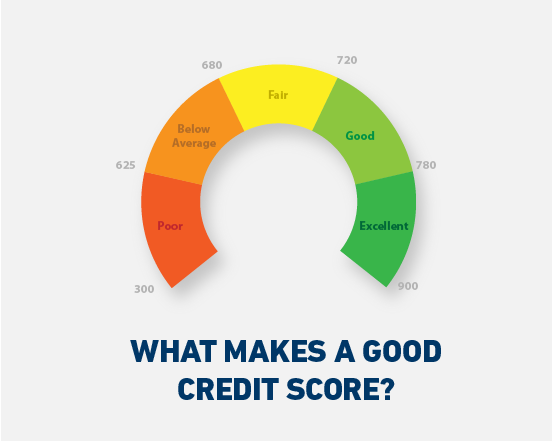
Highlights:
- One of the key behaviours lenders and creditors like to see is on-time bill payments
- Credit scoring models generally look at the mix of different types of credit accounts you have
- Lenders and creditors prefer to see a lower ratio of how much debt you're carrying compared to how much available credit you have
Regardless of the financial milestones you’re reaching, when it comes to financial progress and credit, it’s important to understand the factors that may impact your credit scores. Consider the following:
Have you generally made payments on time?
One of the key behaviours that lenders and creditors typically like to see is on-time payment of bills. Since this is one of the strongest predictors that you are likely to meet your financial obligations, it is generally an important factor in credit scoring models (different ways of calculating credit scores).
Tip: Missing payments from your phone/ internet providers (Bell, Rogers etc.) could hurt your credit score really bad. Try to Pre-authorize al the bill payments to avoid unnecessary credit damage.
Do you have different types of credit accounts?
While there are many different credit scoring models, they generally factor in the mix of different types of credit you have, such as credit cards, installment loans, mortgages, and store accounts. If you have too many different credit accounts – or don’t have a mix of different types -- it could negatively impact credit scores.
Tip: Have a mix if VISA's, MASTERCARD's, AMEX's etc., this will help you grow your credit score.
How many new credit accounts have you opened?
Be mindful of opening too many accounts at once and not opening more accounts than you need. Credit scoring models usually look at how many new accounts you have as well as how many new accounts you've applied for recently. Having too many new accounts may indicate to lenders and creditors that you’re taking on a lot of new debt and may be a high-risk borrower.
Tip: Ideally, keep 2-3 credit cards to the max. If you have more credit cards, cancel the ones which have less credit limit or if they are fairly new.
How old are your credit accounts?
In general, creditors and lenders like to see that you’ve been able to properly handle credit accounts over a period of time. Credit accounts with a longer history showing responsible credit behavior will reflect positively on credit scores. Newer accounts will lower your average account age, which may negatively impact credit scores.
Tip: Try to keep the old credit card accounts open,
Are your balances high relative to your total available credit limit?
Creditors and lenders prefer to see a lower debt to credit ratio – that’s the amount of credit you’re using compared to the total amount available to you. If all your credit cards are near the credit limit, for example, this may negatively impact credit scores and may indicate to lenders or creditors that you may have too much debt.
Tip: Ideally keep your debt with 60% of the total credit limit.
Do you have any judgments, liens, foreclosures, bankruptcies, or delinquencies that have been reported to the credit bureaus?
Having this type of information on your credit history may negatively impact credit scores. If you have gone through financial hardship, and had to file for bankruptcy or completed a foreclosure, credit scores may reflect this negative information for several years.
What are some other factors that might negatively affect credit scores?
There are several other factors that might affect credit scores – having a past-due account transferred to a collection agency or debt buyer, for example. It’s important to note that lenders view these factors in different ways.
WATCH YOUTUBE VIDEO
Source: https://www.consumer.equifax.ca/personal/education/credit-score/what-impacts-credit-score/
Disclaimer: The above mentioned point are provided for your benefits as a goodwill gesture, please consult your financial expert/institution for better guidance.
 Data provided by the Ontario Regional Technology & Information Systems. The information is deemed reliable, but is not guaranteed. Not intended to solicit buyers or sellers, landlords or tenants currently under contract.
The trademarks REALTOR®, REALTORS® and the REALTOR® logo are controlled by The Canadian Real Estate Association (CREA) and identify real estate professionals who are members of CREA. The trademarks MLS®, Multiple Listing Service® and the associated logos are owned
Data provided by the Ontario Regional Technology & Information Systems. The information is deemed reliable, but is not guaranteed. Not intended to solicit buyers or sellers, landlords or tenants currently under contract.
The trademarks REALTOR®, REALTORS® and the REALTOR® logo are controlled by The Canadian Real Estate Association (CREA) and identify real estate professionals who are members of CREA. The trademarks MLS®, Multiple Listing Service® and the associated logos are owned